
Previous Story

5 essential marketing tools every business needs
Posted On 13 Jan 2021
Comment: 0
As a marketing specialist, you know just how vital this role is to your company’s operations. But which specific promotional marketing elements are conditional and crucial for success? We have compiled a list of the essential marketing collateral required for any type of business, regardless of its size. However, why spend so much of your busy schedule working on basic marketing materials? Newzy Executive asserts: “In today’s business market, where competition is fierce, companies… are competing more than ever to get their message across. As companies launch all sorts of advertising and marketing campaigns to attract consumers, it is becoming increasingly difficult for a single message to stand out.”
Here is your essential marketing toolkit to determine if your business is performing at its peak, whether you are well-established in your current role, starting a new marketing position, or considering launching your own venture:
Logo
Nowadays, a company needs a logo to thrive. But why is this aspect of marketing so vital? Logos provide a glimpse into the company itself, offering an image that consumers can recognize and remember. If your company’s logo is in need of an update, it may be time to suggest a redesign. According to Newzy Executive, “You want consumers to see your image and immediately think of your company and your services. Logos should be clean and simple, yet also stand out from the competition.” A logo builds a company’s foundation on brand recognition.
Website

Your company website must provide an accurate overview of your business operations and highlight your unique perspectives. With a well-designed website, any member of your organization can confidently deliver a concise business pitch. It serves as a tool to articulate, briefly and powerfully, exactly what your company does. Ensure that yours is up-to-date, comprehensive (covering the who, what, where, when, and why of your business), and effectively distributed.
Presentation Template
 Just like logos, unifying a company’s presentation template is an essential marketing tool. Regardless of which team or department is creating a presentation to share corporate information, they can use this standardized template to ensure a professional look that remains consistent with the global brand.
Social Media
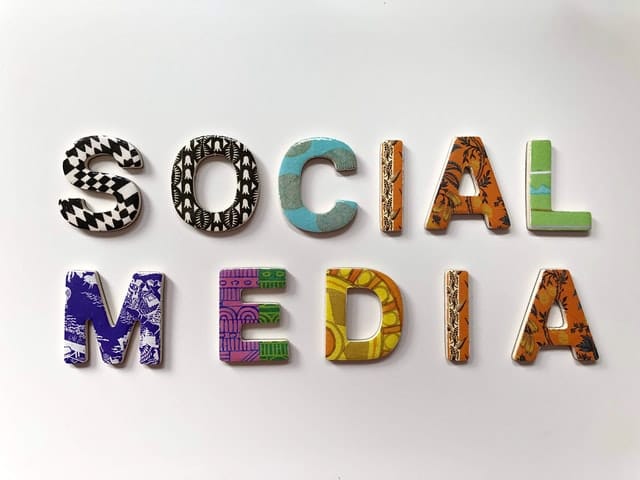
In today’s technological era, a company without an active and up-to-date social media presence will struggle to keep pace. Is your company present on all the major online platforms, such as Facebook, Twitter, and Instagram? Even Snapchat? Is your website current and user-friendly? If you are unsure, ask a friend (or someone completely unfamiliar with your company’s brand) to browse your site and pages. Their outside perspective will help you determine if your company’s digital presence is as dynamic, visually appealing, and easy to use as possible. On the other hand, if your company does not publish content regularly, a social media presence will be less effective. Determine which social media platforms are best suited to your business before deciding to launch new accounts or deactivate those that are no longer in use.
Media Kit
There are so many other marketing materials that a company should leverage for its brand strategy. These include business cards, letterheads, posters, brochures, and more. Each of these touchpoints must present the company in its best light, featuring a design that reflects its unique corporate identity. As it is so aptly said, roll-up banners, a marketing specialist must develop a brand guidelines kit to ensure all promotional materials adhere to specific requirements.

Marketing collateral is crucial because, in many respects, it serves as the face of a company. People remember imagery and how a company conducts itself on social media and through visual formats. It is essential to review the list above to evaluate your company’s brand image. Every logo, business card, letterhead, etc., represents a touchpoint that establishes brand identity with consumers. Take a moment to determine which materials you currently have, which ones may be missing, and which ones need a refresh. Adjust accordingly. By doing so, you will set your company on the path to success.