
Previous Story

Why is organizing a team-building event essential?
Posted On 08 Nov 2019
Comment: 0
To operate effectively and cohesively, companies often rely on team-building sessions. This practice has seen skyrocketing success over the past several years and has become a central focus for business leaders.
But what does this anglicism actually mean? And what is its significance?
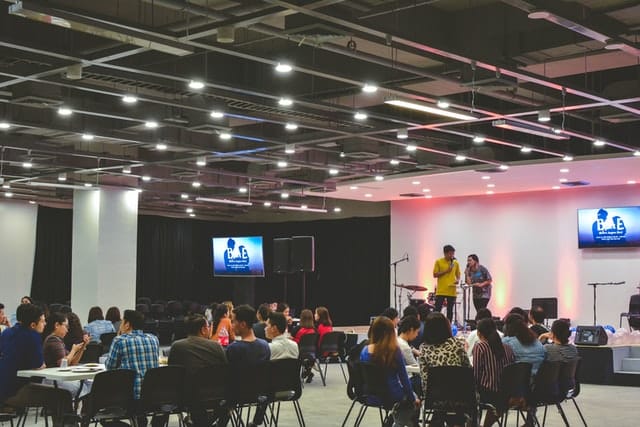
Team building, more commonly known as team building, is a method that emerged during the 1980s. As its name suggests, its goal is to foster connections and develop interactions among a company’s employees.
More often than not, this involves immersing all or part of a company’s workforce in situations where mutual aid and solidarity are the core values. These range from sporting activities to famous escape rooms, as well as culinary or even musical workshops.
Why are they necessary to organize?
The idea is to simultaneously foster team cohesion and allow individual talents to emerge. Bringing employees together outside of the workplace can help everyone open up and reveal unexpected facets of their personality. Indeed, a colleague who appears rather shy or reserved in the office may prove to be a true technical leader during a strategy game or an escape room challenge.
Similarly, a colleague sitting at the next desk, who may appear distant and cold in their professional duties, can transform into a truly dynamic and engaging leader when working in the field.
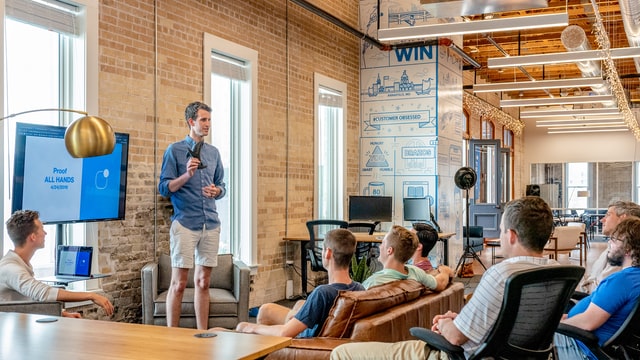
To what extent do team-building sessions drive progress?
The primary advantage of these sessions is that they encourage and facilitate communication. Due to siloed structures, some companies allow minimal communication between different departments. Consequently, sales team members rarely interact with those in purchasing or marketing. This can sometimes lead to mutual misunderstandings and a lack of empathy regarding the challenges faced by other teams, which can ultimately hinder the smooth operation of the business. Bringing together individuals who rarely interact helps foster a true organizational culture.
Secondly, to encourage employees to fully commit to the company, it is essential that they feel part of a strong collective. Team-building sessions help foster this necessary sense of belonging. Indeed, seeing their executives share moments with them, strive toward the same goals, and offer encouragement creates a positive dynamic—one that subsequently carries over into meetings.
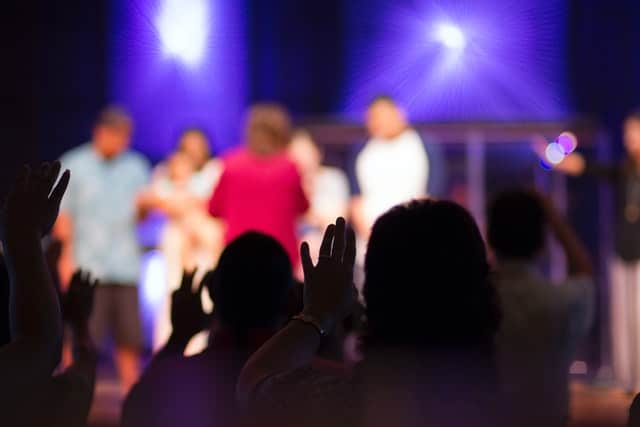 Finally, this practice offers the advantage of providing employees with key insights to help them navigate future challenges. Whether you are conducting a Team building Paris or a team-building retreat in another French city, these sessions allow for identifying individual motivational drivers, fears, and concerns. By leveraging these insights, workgroups can be reorganized to pair employees who work effectively together.
Thus, team-building sessions help improve internal communication, foster a sense of belonging, and provide essential insights for resolving future challenges. Most importantly, they serve as tremendous opportunities to boost individual motivation by providing much-needed recognition.