Previous Story
How to Select a High-Quality Diamond
Posted On 28 Feb 2018
Comment: 0
The first thing you must consider when purchasing a diamond is your budget. While tradition suggests spending three months’ salary on an engagement ring, there are no mandatory rules regarding how much you should allocate. It is far more important to find a ring your partner will love—a piece of jewelry that reflects her personal style and your commitment to one another. Once you have determined your budget, it is time to move on to the diamond’s shape.
Our goal is to make the diamond selection process a little easier by providing you with “Pro Tips” from our diamond expert. Here is how to choose the perfect diamond that the love of your life will cherish forever.
Shape: the diamond’s personality
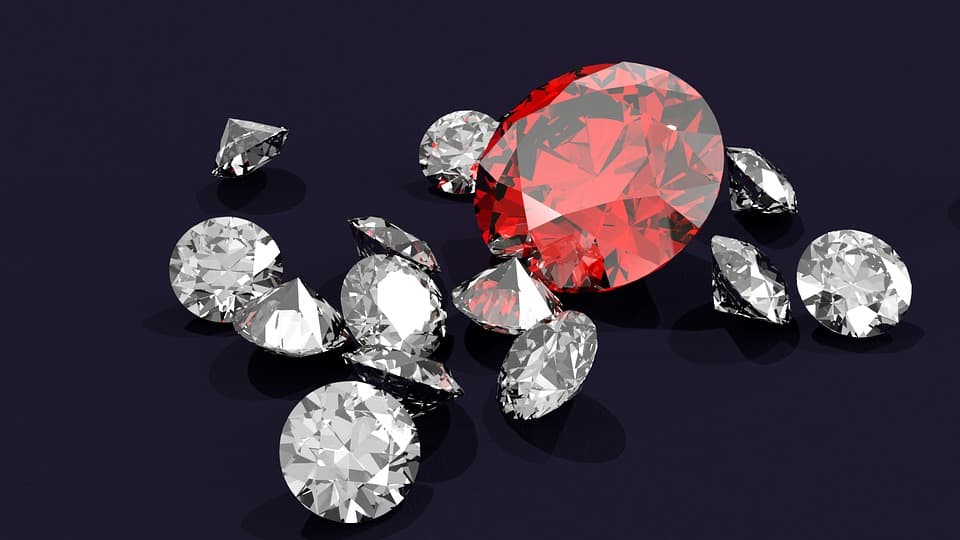
The diamond’s shape essentially defines the style of your engagement ring. Shapes generally describe the stone’s profile when viewed from above (round, pear, and oval), while certain cuts, such as Asscher and Marquise, represent a historical legacy. The most popular choice is the round cut, alongside fancy shapes such as Princess and Radiant.
If your partner desires a fancy-shaped diamond, you must focus on the diamond’s length-to-width ratio in addition to its cut. To protect your diamond investment, we recommend BAUNAT jewelry, which offers exceptionally high-quality diamonds at the most competitive market prices.
The 4 Cs: The Fundamentals of Selecting a Diamond
When choosing high-quality diamond, it is important to determine which diamond attribute is most significant for both you and your partner. Since every diamond is unique, knowing which characteristics matter most to you will be essential when choosing your diamond.
Are you looking for the largest diamond, the most brilliant, or the most unique design? In any case, you must determine which aspect of the diamond is most important to you.
The 4Cs: cut, color, clarity, and carat
Cut : Regardless of the diamond’s shape, the most critical factor is the cut; it provides the brilliance and fire that define its quality. The cut has the greatest impact on a diamond’s appearance and overall grade. For a round diamond, always look for an excellent or ideal cut. When selecting a high-quality diamond, do not rely on sparkle alone.
Carat : It is a measurement of a diamond’s weight. Because a carat records a diamond’s weight—not its size—two diamonds of slightly different dimensions can have the same carat weight.
Color : Color refers to the lack of color on the ranking scale. Grades D, E, and F are considered colorless and are rarer and more valuable. G through J are considered “Near-colorless,” possessing only a certain amount of color.
Clarity : It describes the number of natural “inclusions” or flaws present within a diamond and whether they are visible to the naked eye. Clarity grades range from Flawless (FL) to Included 3 (I3). A high grade indicates that there are no imperfections within the diamond or on its surface, even when viewed under 10x magnification. A grade of 3 means that large flaws are evident to the naked eye.