
Previous Story
Boost your vitamin intake with vegetable juices
Posted On 29 Dec 2016
Comment: 0
Far more than just a passing trend, vegetable juices provide our bodies with a significantly higher nutrient density than those found on supermarket shelves. Therefore, if you want to maximize the benefits of these nutrient-rich blends, follow these expert-backed tips.
The compelling reasons to embrace juicing
There are countless reasons why you can and should incorporate vegetable juices into your diet. One key reason is that they are 100% natural and organic, making them inherently healthy. Furthermore, because homemade vegetable juices are prepared with peak freshness, they are far more nutritious than any other available alternatives. Not only do they help boost your energy levels through high vitamin content, but they are also rich in minerals and antioxidants—which are excellent for preventing cardiovascular issues—as well as fiber, which promotes healthy digestive function.
How to make vegetable juice
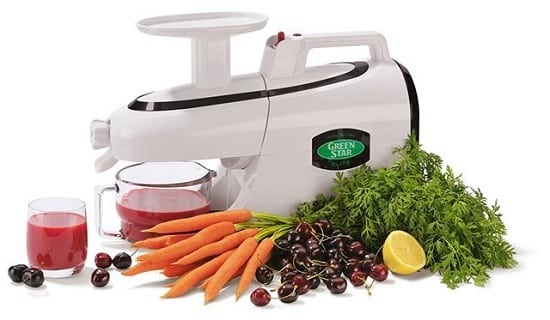
The first step when transitioning to vegetable juicing is, of course, finding the right equipment to prepare your favorite recipes. While you can certainly make juice using a classic centrifugal juicer or even a blender, the issue is that neither of these appliances delivers high-quality juice. By quality, we mean the effective separation of key ingredients (vegetables, legumes, fruits, grains, etc.) from their fiber. The ideal solution is to invest in a specialized machine: the slow juicer (to make the best choice, visit the website extracteur2jus.top). Unlike other appliances, a juicer, as the name implies, extracts juice from food using a cold-press method. As a result, you obtain juice that has retained all its nutrients without being denatured.
Which recipe to choose?
Normally, any vegetable will do. However, some possess significantly higher nutritional value than others. While this is ultimately a matter of personal preference, you should also consider your tastes, cravings, and goals… and above all, remember to treat yourself. If you are running low on inspiration, here are a few recipe ideas that might be of great help:
- Breakfast: classic fruit juices (orange, lemon, banana, carrot, etc.)
- Detox: cucumber, kiwi, white grapes …
- To prevent cancer: carrots, beets, cabbage, broccoli…
- Good for the stomach: potato
Quick Facts
Now that you know which vegetables to use for your juices, here are a few tips to help you fully enjoy your drinks. Did you know that fruit and vegetable skins are also packed with nutritional benefits (such as quercetin in apples or carotenoids in carrots)? To keep these nutrients intact, try to avoid peeling your produce. Another important point: if you are starting a juice-based wellness regimen for the first time, begin with fruit juices you already enjoy to make the transition easier.