Previous Story
Window Thermal Insulation
Posted On 26 Jul 2016
Comment: 0
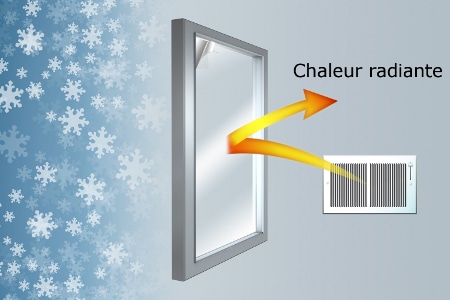
Implementing heating energy savings not only eliminates drafts near windows but also prevents condensation on glass. Did you know that 25% of heat loss is caused by poorly sealed windows and doors? For your personal comfort and the well-being of our planet, upgrading the thermal insulation of window frames and glazing is a highly profitable long-term investment.
Thermal insulation for doors and windows
From both an economic and ecological standpoint, every possible measure must be taken to reduce your energy bills and contribute to environmental protection. Proper thermal insulation for your windows and doors is essential if you want to directly reduce your heating bills. This will also allow you to receive a government subsidy in the form of a tax credit. To achieve this, all it takes is a single eco-friendly step for the well-being of our planet.
Furthermore, proper thermal insulation will also improve the soundproofing of your home. When renovating your windows, choose glazing based on your region’s climate, as well as the exposure and noise levels to which your home is subject to.
Key factors for effective thermal insulation
The success of effective thermal insulation primarily depends on the glazing and the frame. The choice of materials is less critical than it once was, particularly if the structure is high-quality—for instance, if you opt for aluminum. Indeed, aluminum windows are currently highly efficient, thanks to thermal break technology. However, avoid purchasing single-pane glass and steer clear of low-end products. To achieve superior thermal insulation, it is essential to carefully determine the type and quality of the glazing. For optimal performance, opt for high-performance double glazing.
Choosing the Right Materials
If you are looking for high-quality products, you can choose from four options: wood, PVC, aluminum, or wood-aluminum hybrid. Selecting any of these materials will ensure satisfaction. However, we recommend prioritizing wood, particularly wood-aluminum hybrids, if you are located in an area subject to extreme freezing temperatures.
Furthermore, PVC proves to be the most effective insulator after naturally insulating wood and aluminum. Whenever possible, avoid windows with an insulation coefficient between 3 and 5. Additionally, if you wish to qualify for a tax credit, it is recommended to select your windows based on their specific coefficient.