Previous Story
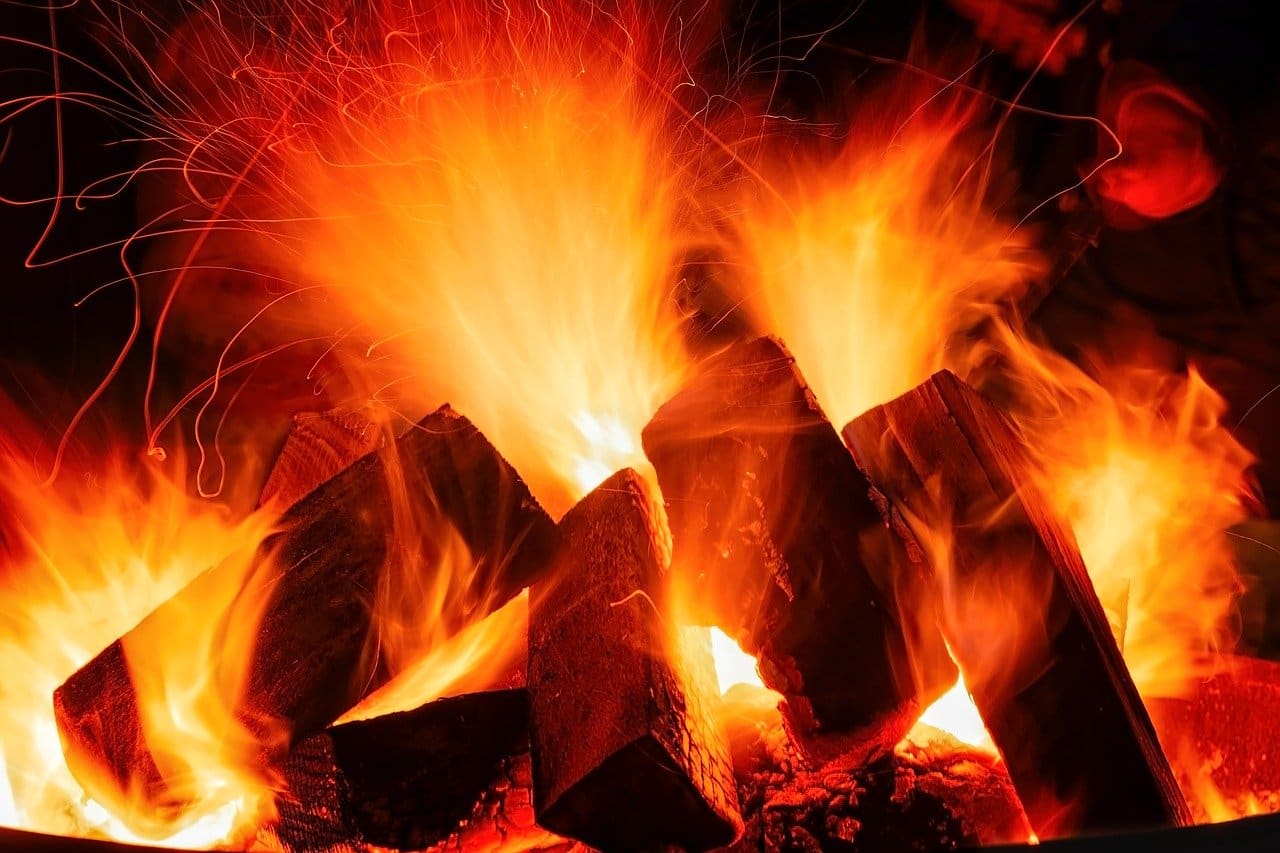
What are the advantages of a wood insert compared to a traditional fireplace?
Posted On 04 Sep 2020
Comment: 0
One of the most significant shifts in the modern era is the growing environmental awareness among citizens. This movement has led many homeowners in France and Belgium to install wood-burning stove inserts. Let’s take a closer look at the benefits of these devices.
Advertorials are more effective
Modern fireplace inserts are far more efficient than traditional open hearths, which have a low efficiency of only about 5% to 10%. One reason for the inefficiency of open fireplaces is that much of the heated air from the room is drawn into the fire, a process that leads to energy waste and rapid combustion. In contrast, fireplace inserts feature a sealed, airtight door system that generates more heat because the fire burns much more slowly and heat is not lost. The efficiency of fireplace inserts can reach up to 80%.
Fireplace inserts are eco-friendly
EPA-certified wood inserts can reduce wood emissions to nearly zero, meaning your environmental footprint is significantly smaller than that of an open fireplace.
You can save money on your energy bills by installing a fireplace insert. A more efficient wood-burning system means less gas, heating oil, or electricity is required to heat your home. When the insert is not in use, the airtight glass doors prevent heated indoor air from escaping through the chimney and also stop cold outdoor air from entering the house, regardless of the temperature, thereby reducing your energy costs.
In addition to being environmentally friendly, another reason homeowners are opting for fireplace inserts installed by professional fireplace installers is to save money on renovation costs. You can achieve a fresh new look without having to undertake major remodeling projects.
Beyond their practical benefits, fireplace inserts are also highly aesthetic. There is a wide variety of elegant models to choose from. Some inserts are installed entirely within your existing fireplace, while others extend a few inches from the combustion chamber; regardless, they all create an attractive focal point in any room, all while providing substantial warmth during harsh winters.
What you may not know about fireplace inserts
When installing an insert, there are very specific requirements regarding the appliance’s chimney flue. It is generally necessary for a chimney installer to install a properly sized flue to ensure that the chimney draft meets the insert’s specifications and that the new appliance operates safely.
Chimney inserts feature self-cleaning glass doors that can literally burn off accumulated creosote, maintaining a more aesthetic appearance of the fire. Because they are sealed, they can also resolve occasional downdraft issues. For instance, if a strong gust of wind blows down the chimney, the glass doors will prevent combustion gases from entering your home.
You can choose from five different types of fuel for your fireplace: natural gas, propane, wood, pellets, and coal. If you decide to burn wood, ensure that the unit you purchase is EPA-certified; to ensure safety and satisfy your insurance provider, any heating appliance, regardless of the fuel type, must carry a certificate attesting that it has been tested in accordance with the appropriate standard.