Previous Story
Signage Solutions for Stores, Hotels, and Restaurants
Posted On 25 Dec 2021
Comment: 0
A storefront sign represents a company and allows it to stand out from the competition. This brand image can be implemented across a wide range of materials, sizes, colors, and finishes, depending on individual preferences and budgets. However, for those seeking modern and eye-catching signage, a light box is an excellent alternative. There are numerous advantages to using this type of signage. Here is an overview of its merits and limitations.
Defining a Lightbox Sign
Signage is an essential tool for attracting customers and preventing them from bypassing a boutique or store. This is why savvy companies invest in one or more high-quality signs to increase brand awareness and drive business growth. Many retailers install illuminated signage on their storefronts. This branding can take the form of backlit letters, monumental signs, or large-format backlit displays.
Its primary feature is its ability to incorporate light. Neon lighting is installed inside the light box or placed on top of the support. The front face consists of a translucent panel, making it visible from a distance in all weather conditions and at any time of the day or night. These illuminated signs are generally manufactured using weather-resistant panels such as Dibond aluminum, Plexiglas, or PVC. You can contact the company Smart Enseignes (Antibes storefront) for the installation of outdoor signage for a store, a hotel, or a restaurant.
The benefits of illuminated signage
While outdoor illuminated signs carry a higher price tag than standard signage, they are certainly worth considering for any business looking to capture the attention of potential customers. Here are a few reasons why opting for this type of signage is a strategic move.
it is a continuous advertising format: illuminated signage is a cost-effective marketing tool that provides 24/7 advertising. This is why businesses in the hospitality, restaurant, and pharmacy sectors, which tend to stay open late into the night, all adopt this type of outdoor luminous signage. The precision-cut letters shine at night, boosting brand awareness within the surrounding area.
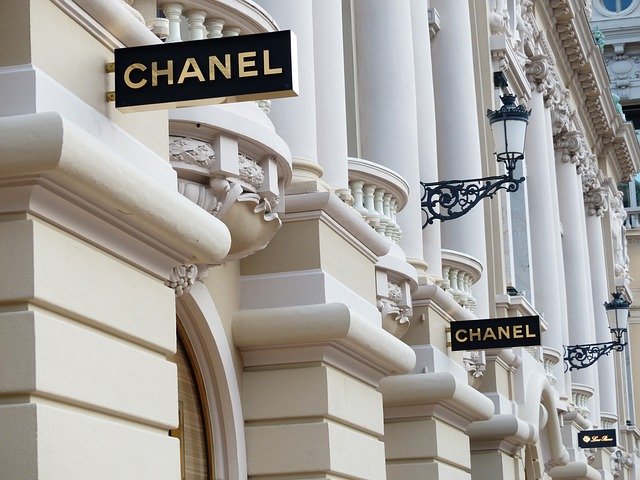
There are numerous customization options available: illuminated signs can be tailored across a wide range of styles, designs, and finishes. For instance, one can opt for a light box, an LED panel, or specialized film to adjust the sign’s color based on ambient light levels. Furthermore, aluminum is particularly easy to machine and cut into any shape, such as the dimensional letter signage seen with brands like Chanel.
it ensures clear communication, visible 24/7: customers and passersby can easily miss a sign that is not illuminated at night. This is not the case with illuminated signs, as they act like a beacon. Drivers passing by at any hour can easily locate what they are looking for with this outdoor signage. It also helps them know when the store is open and ready to serve them.
The illuminated sign creates an impressive visual impact, making it an ideal choice for anyone looking to make a lasting impression. For both startups and established businesses, it helps build a strong reputation, especially when it is highly visible from a distance. This represents a cost-effective marketing strategy: there is no need for repetitive brand advertising with this option. By simply having a logo or sign printed once on a durable material such as aluminum and installing it in a strategic location within the business, companies can effectively meet their commercial objectives.
This signage requires minimal maintenance: it is engineered with materials resistant to outdoor elements such as sun, rain, and dust. As a result, it is built to last for years of continuous use. Furthermore, an LED bulb has a lifespan of approximately 50,000 hours. It does not generate heat when illuminated and operates on only 24 volts.
it represents brand value: color, style, format, and material all communicate a great deal about a brand. A well-conceived design can convey positive attributes such as reliability, trust, elegance, and a premium feel.
The weaknesses of a lighted sign
The greatest disadvantage of this type of signage is its cost, which may not be affordable for everyone, particularly when it comes to aluminum dibond lightboxes. However, the return on investment is rapid due to its long lifespan and low energy consumption. Compared to metal signage, plexiglass options can also crack if subjected to high levels of stress.
Some regions do not permit the installation of illuminated signage.
Non-illuminated vs. illuminated signage: A comparison
In fact, every type of signage comes with its own set of advantages and disadvantages. For instance, non-illuminated signs are more cost-effective since they do not rely on electricity to operate. This makes them an ideal choice for businesses that operate during standard 9-to-5 office hours. This type of signage also offers a professional and sturdy appearance, suitable for both indoor and outdoor use. Furthermore, a wide range of materials, colors, fonts, sizes, and styles are available, making them an excellent option for promoting temporary sales or liquidations, or for serving as directional signage. Finally, last but not least, non-illuminated signs are easy to move and maintain.
On the other hand, as previously noted, illuminated signage utilizes additional electrical connections to provide integrated lighting. LED bulbs or neon tubes illuminate both the sign and its surroundings, ensuring visibility during both day and night. This makes it an ideal option for businesses operating 24/7. However, when aiming for professional-grade signage, factors such as design, material quality, craftsmanship, and ongoing operating costs must be carefully evaluated.