Previous Story
How to recycle metals?
Posted On 16 Feb 2022
Comment: 0
Today, in our consumer society, metals are an integral part of everyday life. While they are essential across all economic sectors, metals also pose a significant challenge to environmental protection and preservation. One of the most effective ways to protect the environment is through recycling. This prevents the depletion of the planet’s resources, a process that is inherently polluting when manufacturing new goods. Consequently, recycling represents both an economic and ecological solution to reducing metal waste. While an increasing number of people are becoming aware of this issue, many remain unsure of how to approach metal recycling. In this article, we explore the various challenges associated with this recycling process.
Where do metals come from?
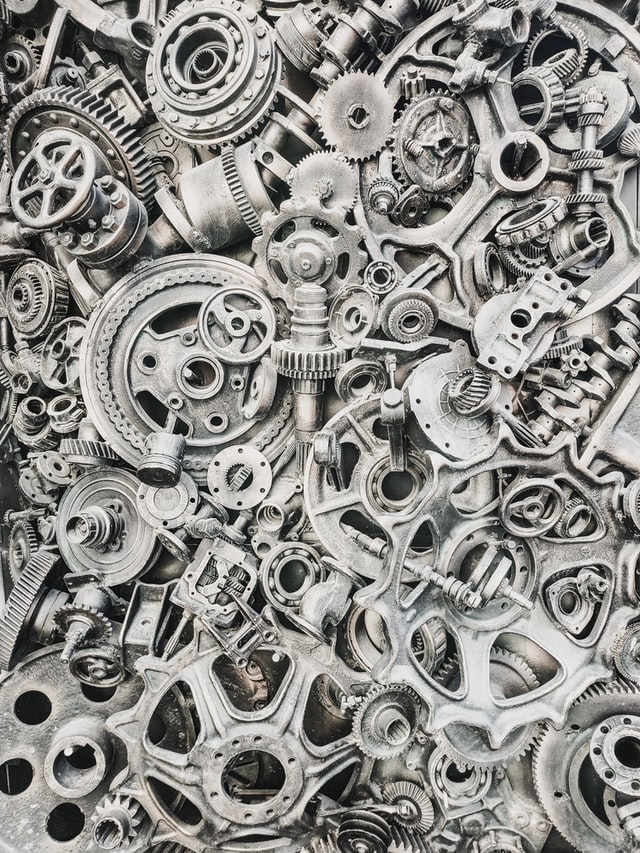 Metals are materials that are generally hard, opaque, and lustrous. Highly malleable, they possess excellent thermal and electrical conductivity. Whether it be copper, aluminum, or pure metal, they all originate from the Earth’s crust. These raw materials are found specifically within the ores extracted from rocks.
How are they made?
Dating back over 6,000 years, metal manufacturing refers to metallurgy, which is essentially the art of extracting metals from their ores using furnaces or electrolytic processes. Today, this process has significantly advanced and is divided into several sub-branches. Ferrous metallurgy, for instance, involves iron-based alloys, while non-ferrous metallurgy deals with alloys based on other metals.
The first step involves extracting metals from the mineralized rock. For certain manufacturing processes, it is essential to process large quantities of ore to yield a small amount of metal. The second step involves further treating the metals to ensure they are corrosion-resistant. The finished products are often destined for various economic sectors, such as real estate, manufacturing, and consumer goods.
However, when discussing the recycling of metals or scrap, we are referring to the materials we use most frequently, such as steel and aluminum.
What are the recycling steps?
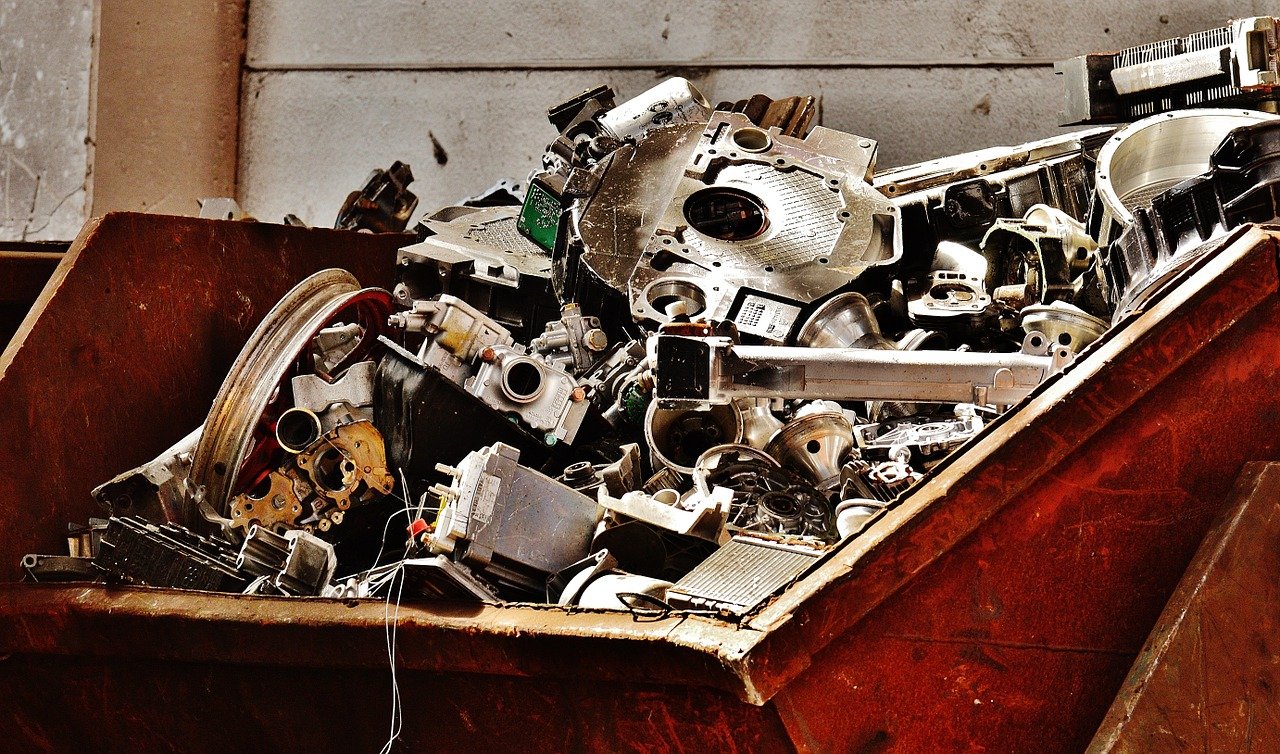
The first step in metal recycling involves sorting. To this end, companies separate ferrous metals sourced from the steel industry from non-ferrous metals, which consist of used materials. Once sorting is complete, companies manage the collection process by transporting the metals to various shredding centers. They are then repurposed through a new transformation process into raw materials. It is worth noting that the companies responsible for metal recycling utilize up to 90% of waste. You can now drop off your metals and scrap metal at the RACHETTERIE via the link https://larechetterie.fr. It is a company that operates within the recycling process for metals that are no longer in use.
What are the two main categories of metals available to recycling companies?
Recycling companies deal with two main categories of metals: ferrous metals, which include iron and steel, and non-ferrous metals, which are sourced from production scrap and metal packaging.