Previous Story
How to Pose for a Photoshoot: A Guide for Models and Photographers
Posted On 08 Feb 2019
Comment: 0
Today we are joined by Sophie, who previously worked with us on a studio portrait; this time, we will demonstrate how to pose for a full-length shot, capturing the entire body facing the lens.
I am going to present a five-point method for posing and moving in front of the camera.
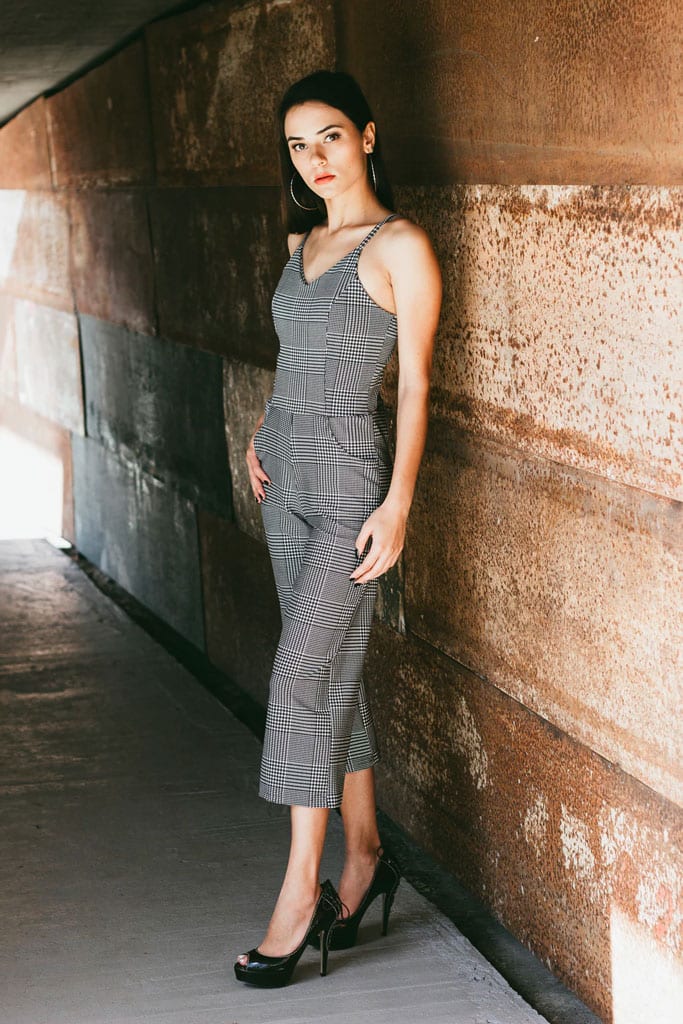
The first step to conducting a professional photo shoot is establishing a solid foundation; start by finding a proper stance and weight distribution to ensure stability and comfort. Since you will need to remain relatively still for extended periods, maintaining a comfortable posture and foot placement is essential. Next, because the camera frame is relatively tight, we will naturally introduce movement by subtly exaggerating the motion of the legs and hips. This movement should be emphasized without being forced, as overdoing it can create visible tension; this is the most natural approach. Alternatively, movement can be introduced artificially, such as by using a fan to create motion in the hair.
The third point, following the positioning of the feet, hips, and the exaggerated, emphasized positioning of the legs, is the positioning of the arms. The key to arm positioning is to always ensure that the limbs remain visible, or at the very least, that they are not cropped at the joints. This is crucial; if they are cropped at the joints, Sophie’s hand will appear to disappear, creating what is known as a “stump effect”—it is not a pleasant term, but it is the one commonly used.
Position the feet, exaggerate the movement, and position the arms, taking care not to create awkward angles at the joints. Next, position the face by moving the chin toward the light source. The goal is to ensure the subject’s gaze is positioned between the camera and the key light, creating a catchlight in the eyes.
Fifth, we will position our gaze to engage, or not, with the camera.
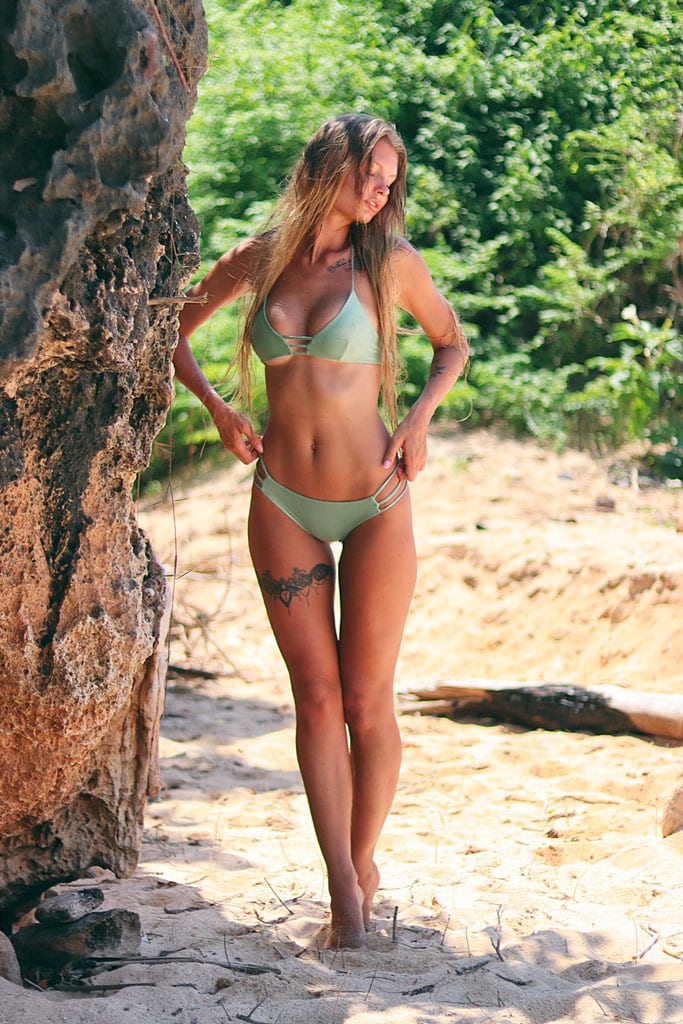
So, let’s recap. Starting from the beginning: first, plant your feet to establish a solid stance; second, emphasize the movement by adding a bit of extra motion in the hips; next, position your arms; and finally, adjust your chin and set your gaze.
That is it. In any case, what is crucial is the dialogue between the model and the photographer; it is essential. It is not about the model posing randomly, nor the photographer giving authoritative orders. It is a dialogue between the two. Both must feel comfortable, the photographer must be able to express their vision, and the model must see themselves in the images—and for that to happen, a dialogue must exist.
I hope these tips have proven useful to you, whether you are a photographer or a model.