Previous Story
How to become a roofer
Posted On 24 Feb 2020
Comment: 0
A roofer is a skilled tradesperson working in the construction industry, specializing in the construction and renovation of all types of roofing materials. Their responsibilities include installing insulation, repairing roof coverings, resurfacing, and much more. To become a professional in this field, certain criteria must be met. In this article, discover the primary responsibilities, the necessary training, and the profile of a true professional roofer.
Capable of fulfilling multiple roles
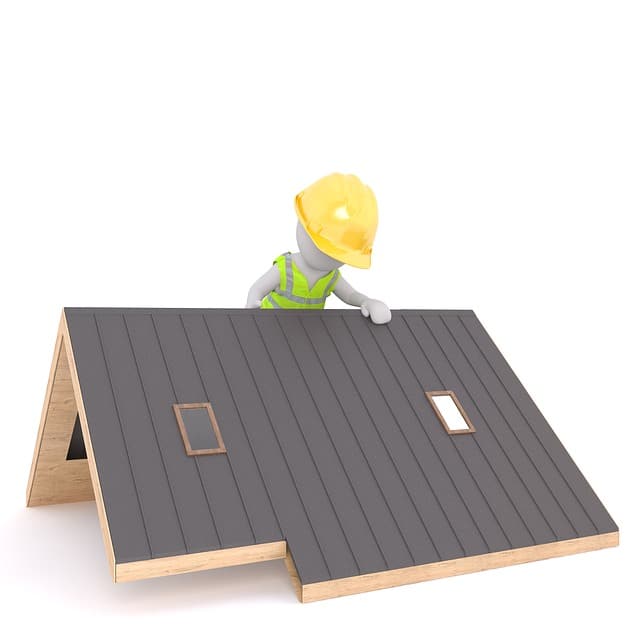
The mission of a roofing professional such as this roofer in the Bouches-du-Rhône region offers a wide range of services, from installing to renovating roofs on houses, apartment buildings, and villas. In fact, this craftsman plays a vital role in the restoration of historic monuments, where traditional techniques must be employed to preserve their architectural harmony. Furthermore, they are also tasked with installing solar panels, providing an opportunity to work with modern systems.
Under the supervision of a client or a site manager, a roofer must prepare the site and install scaffolding and other safety equipment. Next, they are responsible for fixing the battens to the framework before preparing the essential coating required to create seals and joints.
He is responsible for installing various types of materials, such as slate and zinc. Once the finishing touches are complete, he installs the rainwater drainage systems. A versatile professional, he often concludes his work by completing chimney flashing and installing thermal insulation. Should maintenance or repairs be required several years later, he is the most qualified person to carry them out.
Professional Training Opportunities
Do you want to become a specialist? Hold at least a CAP to be obtained upon completion of training at an apprenticeship high school. The training program to be undertaken is the CAP Roofing, the The TP’s sealing cap or an additional mention in snarky remark. As for high school level training, this includes a professional baccalaureate in built heritage intervention, a vocational certificate (BP) in building waterproofing and public works, or simply a professional certificate in roofer is required.
Regulated by Chambers of Trades and Crafts, this profession requires a degree or a professional certification. For those seeking leadership roles in the roofing industry, a BTS in Wood Construction Systems and Housing, a BTS in Building Envelope, or a BTS in Building Construction is required. These programs provide the opportunity to master the trade through both theoretical and practical training.
For those without a degree, three years of field experience is required to become a professional.
Hands-on expertise
On the roofing profession is predominantly occupied by men. However, women are more than welcome, provided they do not suffer from vertigo. The role is more technically oriented; furthermore, a certain level of dexterity is required to prevent incidents.
Between sky and roof, the roofer must be prepared to face potential challenges such as harsh weather and extreme temperatures. They must go above and beyond to follow every single safety regulation to the letter. Beyond that, thoroughness, attentiveness, and meticulousness must be at the heart of a craftsman’s concerns, with the ultimate goal of delivering flawless work. To achieve a compelling result, the essential qualities required are patience and precision.
Physical stamina is also essential, as the work must be performed consistently while maintaining an uncomfortable posture. This is a profession that is always carried out outdoors. As a primary skill, a craftsman must be able to select the ideal roofing construction materials. Consequently, a mathematical and analytical mindset is highly advantageous. The ability to work effectively in a team is also required, given the large-scale nature of these projects.