
Previous Story
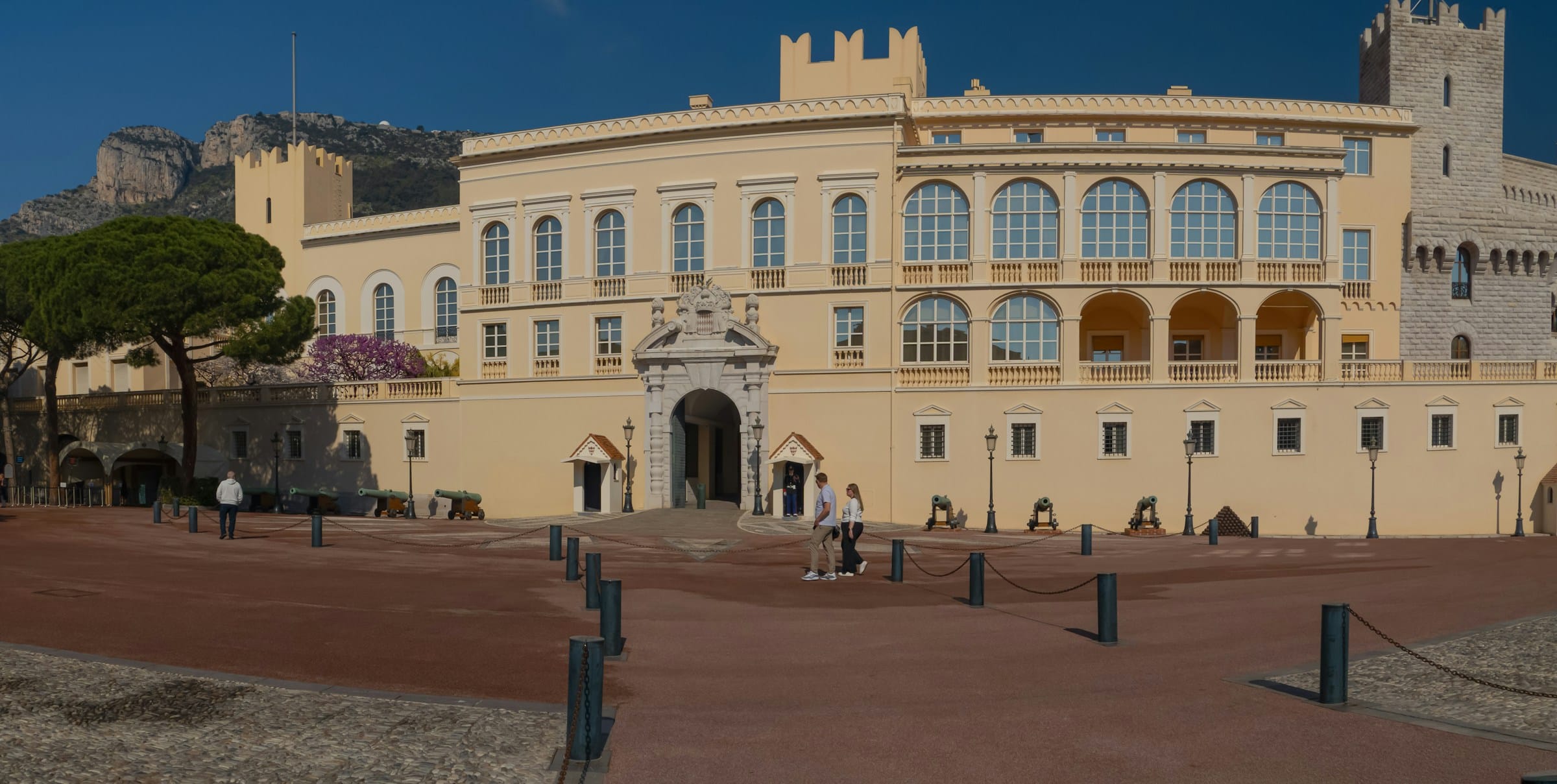
How to address the Prince of Monaco?
Posted On 24 May 2026
Comment: 0
Mastering the codes of the Monegasque court requires surgical precision, as the slightest blunder can betray a lack of etiquette in the presence of one of the world’s most prestigious dynasties. Knowing how to address the Prince of Monaco is not merely a matter of politeness, but rather a matter of true diplomatic protocol where every title and every nuance of language matters. Whether you are a professional on business or a visitor curious about the Principality’s etiquette, understanding the use of official titles is the first step towards navigating this world of prestige and centuries-old traditions with ease.
Beyond mere greetings, the art of courtesy in Monaco relies on a profound understanding of the history of the House of Grimaldi and the subtleties of its political regime. This insight will allow you to decipher the nuances between the titles of sovereign and prince, while grasping the essential rules of etiquette required when meeting members of the princely family. From managing physical distance during public events to the correct use of noble titles for Princess Charlene or Princess Caroline, we explore here the pillars of impeccable behaviour at the heart of the Rock.
When addressing the Prince of Monaco, it is important to use the correct terminology. As such, the established custom is to refer to him as “Sovereign,” rather than “Prince.” Discover the secrets of etiquette within the Principality.
Monaco, a history spanning millennia
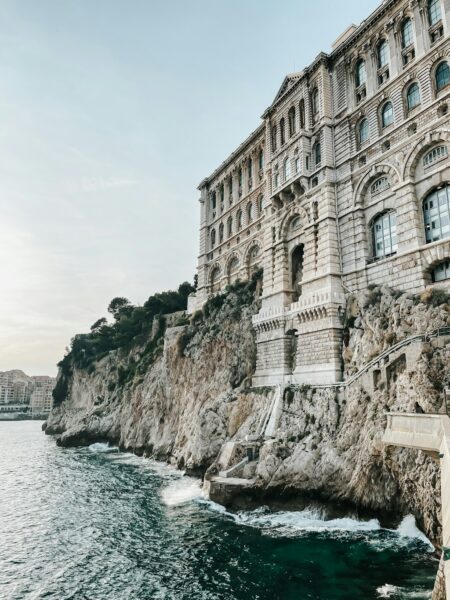
The sovereign and current holder of the throne of Monaco is the Prince Albert II. If the political regime is a constitutional hereditary monarchy, the title “prince” is used (rather than “king”) because Monaco is a Principality and not a kingdom.
Since the city’s founding in 1297 by François Grimaldi, all Monegasque sovereigns have belonged to the same family. It is worth noting that the Monégasques are very proud of their prince and hold him in deep respect.
The Grimaldi Group is the oldest dynasty to the world! Originally from Genoa, Italy, it was one of the five most powerful families in the city-state during its golden age (16th century). Legend has it that in 1297, François Grimaldi dressed as a Franciscan monk to infiltrate the fortress of Monaco, before seizing the citadel with the support of a small army. In front of the Prince’s Palace, a life-sized statue of François Grimaldi commemorates this feat of arms.
Le « rock ” is the nickname given to the area where the Old Town is located Monaco. Boasting an atypical charm, it offers the perfect opportunity to discover its narrow Mediterranean-style alleys, its Cathedral, its Courthouse, its Chapel of Mercy, and even its Place du Palais, where the changing of the guard takes place every day at exactly 11:55 a.m. Note that part of the Prince’s Palace is also open to visitors for part of the year.
The succession the throne is established based on the principle of male primogeniture. The prince’s eldest son succeeds him. If the prince has no sons, his daughters then succeed him, always in order of birth.
How should the Prince of Monaco be addressed?
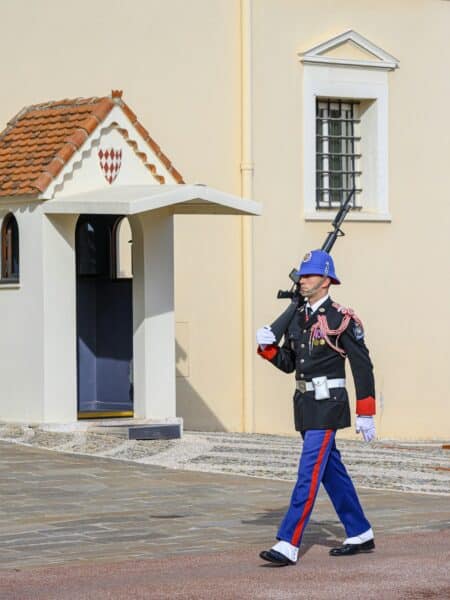
On the royal couple reign in the Principality since 2005, the year in which Rainier III has passed away and his son, Albert II, has ascended the throne. In the vast majority of cases, the title “Prince of Monaco” is used. More rarely, the term “Sovereign of Monaco” is employed.
As for the address, it is said, ” His Your Highness Most Serene the Prince of Monaco” or “Your Most Serene Highness the Prince of Monaco”.
If you are a foreign visitor, it is best to have someone else present your greetings to the Prince. If you encounter him in an informal setting, such as at an evening event or a private lunch, shaking hands and showing standard courtesy is perfectly acceptable. A simple “hello” and “goodbye” are more than sufficient.
However, if this meeting takes place in public and photographers are present, it is best to avoid touching the prince. Maintain a certain distance to ensure you do not risk violating established protocols.
How should we address family members?
Just as with the Prince, there is an official way to address members of the family:
For Princess Charlene: “Her Serene Highness Princess Charlene of Monaco”
Princess Caroline: “Her Serene Highness Princess Caroline of Hanover”
Princess Stéphanie: “Her Serene Highness Princess Stéphanie of Monaco”
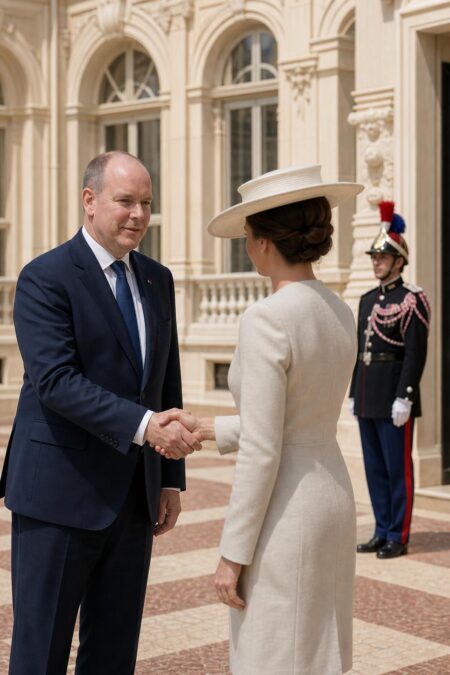
You are now fully prepared to meet members of the Monégasque royal family while observing proper etiquette!
The essentials of how to address the Prince of Monaco
Mastering the etiquette of the Principality requires precision, particularly when using the titles of His Serene Highness for the sovereign and members of the Grimaldi family. Whether you are in the presence of Prince Albert II or Princess Charlene, adhering to protocol and maintaining a measured distance in public ensures an elegant interaction. From the correct use of the term sovereign to managing informal greetings, every detail matters when honouring this ancient dynasty. A perfect knowledge of these customs will allow you to approach your future Monegasque encounters with total confidence.
Mastering the nuances of Monegasque protocol requires particular attention to detail, as every title and form of address reflects the thousand-year history of the House of Grimaldi. Whether addressing the sovereign using the title of His Serene Highness or maintaining the necessary distance during a public appearance, the key lies in understanding the etiquette specific to the Principality. Recognising that the use of the term sovereign takes precedence over prince, and knowing how to adapt one’s behaviour depending on whether an exchange takes place in an informal or official setting, allows one to navigate this unique environment with elegance and respect. The distinction between members of the princely family, each possessing their own noble titles, completes this essential expertise for any visitor or professional wishing to honour the traditions of the Rock.
Beyond simple courtesy, learning these codes of conduct demonstrates a profound respect for the culture and sovereignty of Monaco. By respecting these ancestral customs, you are doing more than merely following rules of etiquette; you are participating in the preservation of a heritage that has linked the Grimaldi dynasty to its people since 1297. Whether you are an observer of international affairs or a passing traveller, deepening your knowledge of diplomatic traditions and local customs considerably enriches your perception of this unique territory. To continue decoding the subtleties of the institutions and challenges that shape the world of decision-makers, stay connected to the analyses of Newzy Executive, your premier source of information for an enlightened view of global news.