Previous Story
What to do in the event of water damage?
Posted On 29 Jan 2019
Comment: 0
Water damage is one of the most common types of insurance claims, accounting for nearly 85% of all reports to many insurance companies. In fact, this type of incident can become very costly if you are unfamiliar with the necessary procedures. From the initial claim filing to the payout of your compensation, the process takes an average of six months, or even longer, depending on how the claim is managed. That is quite a long wait! This is why it is essential to take all the right steps to ensure you receive repairs as quickly as possible. Here are a few steps to follow!
Implementing precautionary measures
To prevent any further damage, it is essential to act as quickly as possible. The first step is to identify the primary cause of the incident. To do this, you must take the time to inspect various appliances, pipes, and installations throughout your home.
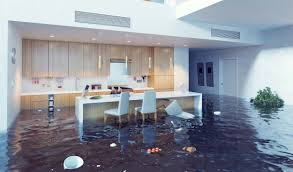 If the source of the damage originates from an element within your home, you must immediately shut off the water supply and the electricity if necessary. Next, you must notify your neighbors if they are affected. In such cases, you will need to complete a joint water damage report with them.
If the damage originated from your neighbor’s property, you must notify them. If the source of the damage stems from a common area within a co-ownership, you must notify the property manager or the building caretaker.
As a second step, you must protect or move your physical belongings. Do not forget to ventilate the property and dry any equipment affected by the damage. If necessary, you may want to call in a professional, such as a plumber, to mitigate the risk of worsening the situation. In such cases, be sure to keep all service invoices.
You should also take photos of the damage. This will be extremely helpful when filing your claim with your insurance company. The only thing to avoid is disposing of the damaged items. Doing so could complicate the loss assessment for both the insurance adjuster and your own public adjuster (should you require one).
File a claim with your insurer
The next step is to verify whether water damage is covered under your homeowners insurance policy. If it is, you must report the claim to your insurance provider within 5 days of the incident.
For your information, if the water damage originated from your property and your residence is the only one affected, you simply need to send a registered letter with acknowledgment of receipt to your insurance provider.
However, if the incident affects a common area of a co-ownership property or your neighbor, it is necessary to complete a water damage accident report. This document provides the contact details of the parties involved, the insurance policy references for each party, and the circumstances and presumed source of the damage.
Next, each party must submit this report to their insurer after signing. Depending on the extent of the water damage, the insurance company may dispatch an adjuster to assess and quantify the loss before making a settlement offer.
This may take the form of a down payment, the deployment of a professional to carry out repairs, or the reimbursement of expenses incurred by the insured for professional services.
Indeed, you are free to accept or reject this initial proposal from your insurer. Should you choose to decline it, you will need to undergo a counter-assessment. In such cases, the dispute may involve the compensation amount or even the specific items being appraised. This is where a public adjuster, such as those from the firm Omega Expert.
What is the role of a public adjuster in a water damage claim?
The implementation of interim measures
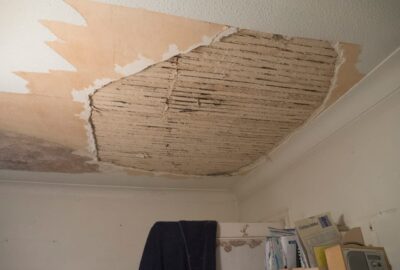
It is important to note that most insurance companies only dispatch an adjuster in the event of a major claim, such as water damage affecting ceilings. However, you must always carefully preserve any damaged or deteriorated items and gather all supporting documentation necessary to identify the affected property (photos, invoices, etc.).
At this stage, if you realize that you will be unable to implement interim measures, you should contact a public adjuster as soon as the loss occurs. This is crucial both for filing the insurance claim and for mitigating the risk of further damage.
Indeed, insurance loss adjusters are already well-versed in these types of issues. They are able to assist you in providing proof of purchase and establishing the value of the assets affected by the water damage.
Expert guidance in navigating your insurance contract
Whether the damages are caused to you or by you, it is also important to consult a public adjuster if you are having difficulty verifying the scope of coverage and the exclusions within your insurance policy.
This allows you to optimize your compensation as precisely as possible. For instance, if a property becomes uninhabitable, you should receive additional compensation; however, your insurance company may invoke certain clauses within your policy to avoid liability.
A second expert opinion to ensure you receive the highest possible compensation
If your insurance company’s settlement offer seems unfair, or if you notice that any expert-assessed elements have been overlooked or neglected, you have the right to request a second opinion through a counter-assessment.
In this instance, the policyholder’s loss adjuster will conduct an assessment of the damages and calculate the amount of your compensation. They will then contact the insurance adjuster to reconcile the two expert reports. The role of the policyholder’s loss adjuster is, therefore, to ensure that the compensation, in whatever form it takes, is as fair as possible.