
Previous Story
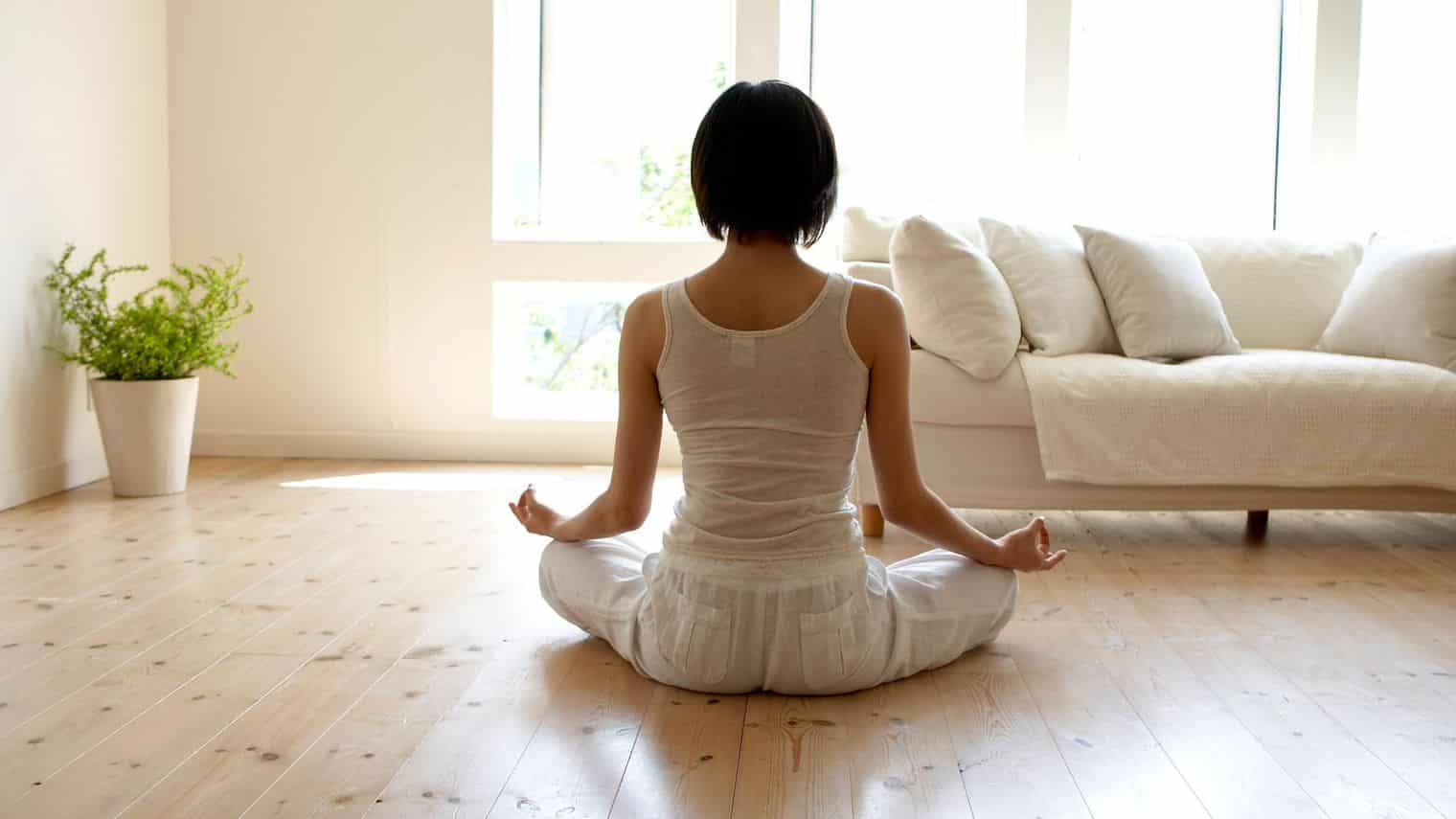
Grounding Exercises
Posted On 23 May 2026
Comment: 0
The tumult of professional life and the increasing responsibilities of executives demand flawless self-control to maintain the mental clarity essential for decision-making. Faced with the mental fragmentation caused by strategic stakes and daily pressures, the practice of grounding and centering exercises emerges as a lever for both performance and serenity. By learning to stabilise your attention, you are not merely managing stress; you are cultivating an authentic presence that transforms your relationship with yourself and your working environment.
Mastering these emotional regulation techniques allows you to transform moments of tension into opportunities for profound rejuvenation. Through a structured exploration, we will address the fundamental distinction between the physical stabilisation phase and that of inner alignment. You will discover how to move from a simple reconnection with your body towards a true harmonisation of your psychological strengths. By following these visualisation and breathing steps, you will learn to reconcile your internal dualities to regain lasting stability and a clear vision of your own life path.
Meditation techniques can help foster self-reconciliation and self-love, ultimately making one more open to others. Meditation does not always require isolating oneself in a single location for hours on end and disconnecting from the world. It can also consist of periodic grounding and centering exercises.
The centering stage in meditation

It is important to remember that meditation is, above all, a technique designed to foster self-acceptance and self-love. The exercises are primarily intended to help one listen to oneself, tuning in to the various parts of the body and one’s emotions. This process of self-acceptance occurs in two stages: first through grounding, and then through centering.
Grounding consists of reuniting a scattered self, bridging the gap between daily concerns, inner anxieties, and future projections. It is about coming together and focusing on the here and now to better recharge. The primary exercise in grounding involves finding the necessary focus to connect with one’s physical self and the earth, while detaching from one’s thoughts. Generally, this involves breathing exercises while focusing on a specific image, such as a tree.
The second step of the meditation technique is centering, which serves as the logical progression from grounding.
The centering exercise: self-compassion
Centering allows for a more profound sense of “unity”; this time, it is about creating the opportunity to harmonize one’s negative and positive aspects. It is no longer just about accepting them, but about reconciling them and recognizing that they are complementary. In doing so, one can finally find one’s true place in the world.
Centering goes hand in hand with visualization. You must visualize a path you wish to take: bathed in light, sun-drenched. Truly feel the energy emanating from it while remaining mindful of your breathing (continuing the grounding breathing exercise). Then, envision this as your life’s path, where you are in perfect harmony with yourself and your surroundings.
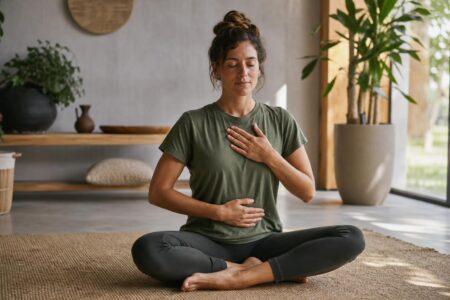
Before starting your exercise, choose the position in which you feel most comfortable: whether you prefer to lie down or sit up, if you would rather face east, or if you prefer to have your arms raised, etc. This exercise can last between 2 to 5 minutes.
Everything you need to know about grounding and centering exercises
Mastering the practice of grounding and centring allows you to radically transform your relationship with yourself. By learning to stabilise your mind through breathing and physical connection, you lay the foundations for an authentic presence. This practice, which relies on harmonious visualisation, promotes the reconciliation of your inner dualities for lasting peace. By cultivating this kindness towards your emotions, you develop an inner strength capable of guiding you serenely towards your true life path.
Mastering the mechanisms of grounding and centring offers a precious opportunity to transform one’s daily relationship with the world. By learning to stabilise the mind through breathing and to harmonise internal dualities via visualisation, anyone can cultivate an indispensable form of emotional resilience. This process of self-reconciliation, which begins with a physical connection to the earth and culminates in a luminous projection of one’s own life path, allows for the restoration of internal coherence in the face of external pressures. Integrating these few minutes of mindful presence into one’s routine then becomes a powerful lever for stabilising psychological balance and strengthening the capacity for acceptance.
Beyond mere technique, the regular practice of these mindfulness exercises invites a true exploration of one’s inner landscape. The success of this approach relies on the ability to observe one’s emotions without judgement, using self-compassion as a compass to navigate between areas of shadow and light. For those wishing to transform these reflections into a true way of life, it is essential to delve deeper into this subject by experimenting with different postures and breathing methods to discover which best promotes your own stability. Taking the time to analyse one’s emotional situation through these practices is the first step towards a more serene existence, aligned with one’s deepest values.