
Previous Story

Breathe Healthy: 4 Key Factors to Consider When Choosing an Air Purifier
Posted On 29 Mar 2023
Comment: 0
For those living with allergies and respiratory issues, installing an air purifier is a necessity. However, selecting the right device can be a daunting task given the vast array of options available. Here are four key factors to consider when choosing an air purifier.
1- Room dimensions and floor area coverage
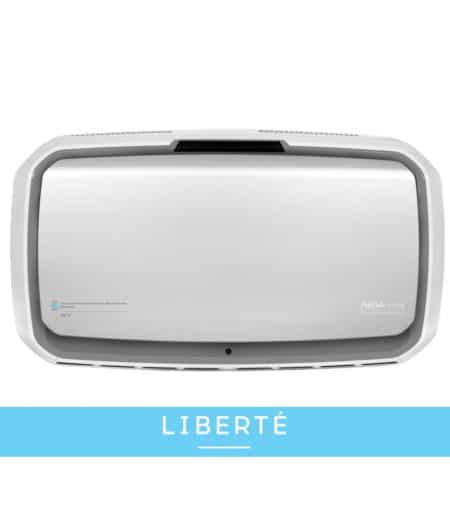 When choosing an air purifier, it is essential to take into account both the spatial dimensions and the coverage area that the air purifier is capable of servicing. Even though the purifier is highly effective, such as the’aeramax, it must be tailored to the size of the piece.
Indeed, if the purifier is too small, it may fail to effectively eliminate airborne pollutants and allergens. Conversely, if the air purifier is oversized, it risks consuming excessive energy, leading to increased electricity costs.
Furthermore, ensure that the purifier covers the entire area of the room, as some models only cover a limited surface area, which may necessitate purchasing multiple units. This can prove to be both costly and ineffective.
2- Filter Type and Efficiency
To choose the right purifier, it is essential to consider the type of filter used and its effectiveness in removing pollutants and allergens. Note that air purifiers utilize various types of filters, such as HEPA filters, activated carbon filters, and UV-C light filters.
Among these filters, HEPA filters are considered the most effective at eliminating 0.3-micron particles, such as pet dander, dust mites, and pollen. In contrast, activated carbon filters are more effective at eliminating odors and chemicals. Finally, UV-C light filters use ultraviolet light to kill viruses and bacteria present in the air.
To choose the right air purifier, it is therefore essential to find one that offers a high efficiency rate. This rate serves as an indicator of the purifier’s ability to remove allergens and airborne pollutants. A higher rating signifies greater efficiency, meaning the purifier is more capable of eliminating a larger volume of pollutants and allergens.
3- Noise levels and energy consumption
It is important to keep in mind that air purifiers can be quite noisy, especially when the fan speed is set to high. Therefore, if you plan to use the purifier in a quiet area, such as a bedroom, it is recommended to opt for a device that operates with a low noise level.
Another crucial factor to consider is energy consumption. It is particularly recommended to choose a low-energy air purifier, as this helps reduce your carbon footprint and save money on electricity bills.
4- Features and Maintenance
When choosing a high-quality air purifier, it is important to consider the additional features that may accompany it, such as monitoring sensors air quality, a remote control, or an automatic shut-off function. Failing to take these features into account could negatively impact your decision-making process.
Finally, some air purifiers require more maintenance than others. Therefore, look for an air purifier with low maintenance costs to save money in the long run.