
Previous Story
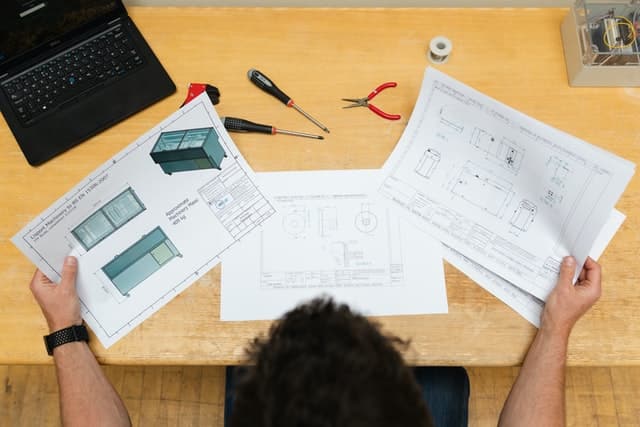
What is a Materials Engineer?
Posted On 22 Jun 2021
Comment: 0
*Gaining increasing popularity, industrial professions such as materials engineering are becoming more and more sought after by both students and professionals pursuing career changes. Read on to learn more about this field.*
What are the typical responsibilities of a materials engineer?
A materials engineer processes, tests, and develops materials used to manufacture a wide variety of products. They study and evaluate the structures and properties of metals, composites, ceramics, plastics, and nanomaterials to create new materials capable of meeting specific chemical, electrical, and mechanical requirements. Materials engineers perform a wide range of tasks, including:
– Plan and evaluate new projects, consulting with other engineers and managers as needed.
Prepare proposals and budgets, analyze labor costs, draft reports, and perform other management tasks.
– Oversee the work of technologists, technicians, and other engineers and scientists.
– Identify the causes of product failure and develop effective solutions to address them.
– Evaluate technical specifications and economic factors relative to the design objectives of processes or products.
For exploring the profession of materials engineer To learn more, please visit the Emploi Plastugie website, the go-to resource for staying up to date on the latest industry news regarding employment and innovation.
What do materials engineers do?
Materials engineers create and study materials at the atomic level. They use computers to understand and model the properties of materials and their components. They solve problems across several engineering disciplines, including mechanical, chemical, electrical, civil, nuclear, and aerospace engineering. A materials engineer may specialize in understanding specific types of materials. Here are some examples of types of materials engineers:
– Ceramic engineers develop ceramic materials and the processes required to transform them into useful products, ranging from high-temperature rocket nozzles to glass for LCD flat screens.
– Metallurgical engineers specialize in metals, such as steel and aluminum, typically in the form of alloys enhanced with other elements to achieve specific properties.
– Plastics engineers are developing and testing new plastic materials, known as polymers, for new applications.
What skills are required to become a materials engineer?
– Analytical skills. Materials engineers often work on projects intersecting with other engineering disciplines. They must determine how materials will be utilized and how they should be structured to withstand various conditions.
– Mathematical proficiency. Materials engineers utilize calculus and other advanced mathematical principles for analysis, design, and troubleshooting in their work.
– Problem-solving skills. Materials engineers must understand the relationship between material structure, properties, manufacturing processes, and how these factors impact the products they help create. They must also be able to determine why a product may have failed, design a solution, and then conduct testing to ensure the failure does not recur. These skills require the ability to identify root causes when numerous contributing factors may be at play.