
Previous Story
How to Choose the Best Yoga Mat
Posted On 21 Jan 2021
Comment: 0
While choosing a yoga mat may seem relatively simple at first glance, the reality is quite different once you take a closer look at the options available on the market. From basic, budget-friendly mats made of questionable materials to premium jute yoga mats, the choices are endless! To help you navigate these options and select the best yoga mat to suit your practice, lifestyle, values, and budget, follow this guide!
Beyond color and patterns, which ultimately come down to personal preference, your yoga mat must provide excellent grip to ensure stability during your poses. While PVC mats offer the highest level of traction, they are also the most toxic; therefore, it is advisable to avoid this type of mat to prevent exposing your skin to harmful substances and to ensure your equipment aligns with your environmental values.
you must choose your yoga mat based on its thickness, composition, and texture.
How thick should my yoga mat be?
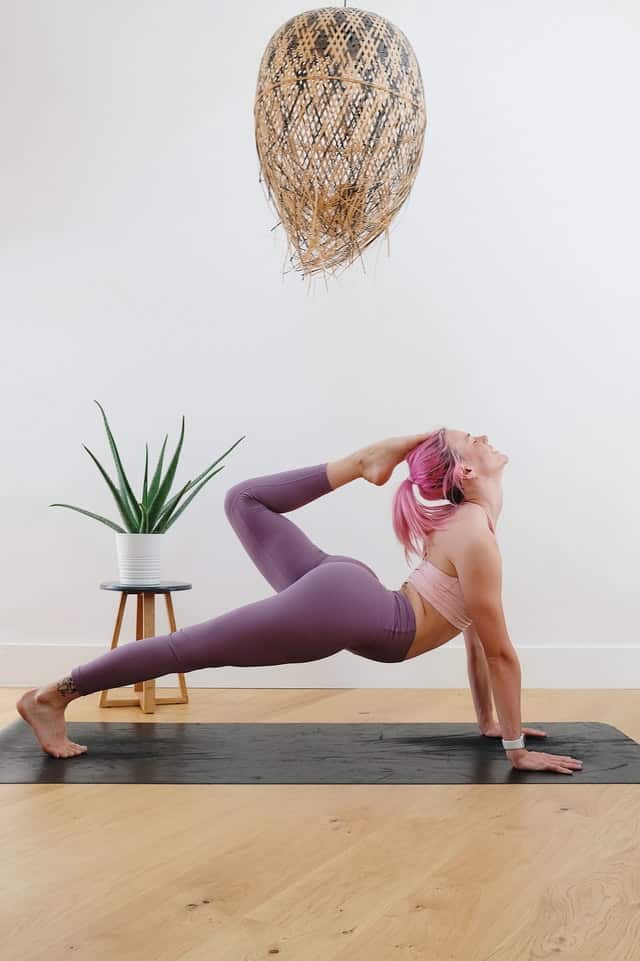 The thickness of your yoga mat plays a key role in its comfort level. If it is too thin, you risk experiencing joint pain when holding poses such as Crescent Moon, which requires your knee to be pressed against the floor. On the other hand, if it is too thick and cushioned, your stability on the ground will be compromised, making your poses feel unsteady.
Standard yoga mats are approximately 3mm thick, while thicker options reach about 6.5mm. Therefore, choose a medium-thickness yoga mat to ensure a balance of comfort, stability, and ease of storage.
What are the alternatives to PVC?
The materials used in the manufacturing of your yoga mat impact its texture, grip, absorbency, and, of course, its eco-friendly credentials.
PVC is used in the manufacturing of most yoga mats, but this is not inevitable. Today, more responsible alternatives are available, made from natural and recycled rubber, jute, or even organic cotton. We strongly recommend choosing these more eco-friendly mats, which are free from toxic substances.
If you practice dynamic yoga, opt for natural rubber mats, as they are more absorbent than cotton or jute. However, if you have a latex allergy, even natural rubber is not the best choice.
How to choose the right texture for my yoga mat?
The texture of your rug will influence both its comfort and its level of slipperiness.
jute yoga mats possess a certain organic roughness that slightly hinders the sensation of glide, whereas those made of organic cotton or natural rubber offer a softer, more comfortable feel.
If you are looking for a yoga mat that provides excellent grip while remaining soft and comfortable, natural rubber mats are your best option.
Textured jute mats are also a great option, as they provide stability and excellent grip while remaining moisture-resistant.
Finally, do not hesitate to try several options if possible, in order to find your ideal yoga mat!