Previous Story
Simple tips to improve your home’s indoor air quality
Posted On 30 Oct 2019
Comment: 0
Poor indoor air quality in your home can significantly impact both your health and your mood.
Poor air quality can be caused by several factors, including outdoor pollution, low-quality construction materials, and emissions from heating systems and household appliances.
Poor indoor air quality has been linked to asthma, fatigue, and pulmonary diseases.
We have created a list of tips to help ensure better air quality in your home.
Breathing Room
Air circulation is crucial for maintaining high indoor air quality. Circulating air throughout your home will eliminate stagnant air and refresh the indoor environment.
One option is to simply open your home’s doors and windows to refresh the indoor air quality.
Of course, if you live in an overcrowded city, the outdoor air can be very unpleasant and potentially toxic. In such cases, choosing your time of day wisely—early in the morning or late at night when traffic levels are at their lowest—is your best option.
Keep your air conditioner in top condition
Air conditioners can significantly help improve indoor air quality by dehumidifying the air and refreshing stale air (see: how to choose your air conditioner?).
Almost all air conditioning units feature a type of filter designed to clean the air and remove impurities and pollen.
Just like all the filters in your home, it is essential to clean them regularly according to the manufacturer’s instructions.
Keep your linens and clothing clean
Dust mites are one of the leading causes of poor air quality. They can irritate your nose and throat, leaving you feeling fatigued and lethargic.
Dust mites can often linger in household fabrics, such as bedding, pillows, and curtains. It is important to regularly clean these items using a low-allergen detergent.
If you have pets, ensure they stay away from your beds and sofas to minimize hair buildup.
Beeswax candles are the perfect air purifiers
Beeswax candles possess air-purifying qualities, as they burn while releasing negative ions.
Pollen, dust, dirt, pollutants, and all other airborne debris carry a positive charge; therefore, when a beeswax candle burns, the negative ions released into the air draw these positively charged particles into the candles or cause them to settle out of suspension.
This negative ion charge in the air is how many air purifiers operate.
Beeswax candles are 100% natural and not only reduce indoor pollutants, but they also smell wonderful and create a lovely ambiance.
Salt lamps may help with your asthma
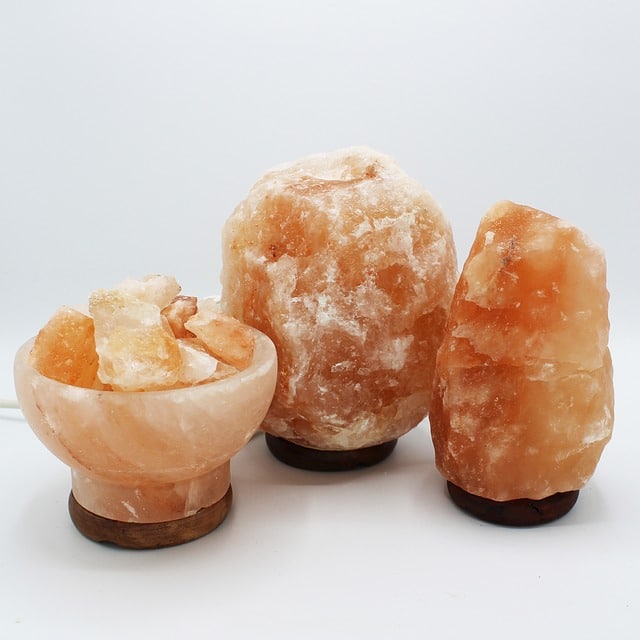
If burning candles in your home isn’t your thing, you can achieve the same effect with a salt lamp (learn more).
These lamps, created by embedding a light source within a large mass of Himalayan salt, emit negative ions when turned on.
These negative ions will help combat positively charged particles and the contaminants that trigger allergies.
Individuals with asthma have reported that salt lamps helped reduce their symptoms.
Activated carbon reduces atmospheric contaminants
Activated carbon has been used for decades as a reliable method for air purification.
It was used inside gas masks during World War I, and forms of activated carbon are now found in many types of filters, ranging from air recycling in nuclear submarines to emission reduction in automobiles.
Inside your home, activated carbon can be a quick and effective way to reduce contaminants.
Activated carbon is found in many HEPA filters that should be used in your home, within household appliances such as vacuum cleaners, indoor air conditioners, or other ventilation systems.
Make your own essential oils for your home
Using essential oils is an effective way to reduce unpleasant odors in your home that are associated with poor air quality.
Choosing your essential oils carefully and using them in the correct amounts is essential for safe use.
A common way to use essential oils to freshen the air in your home is to follow this recipe.
- 1/2 cup rosemary infusion
- 1/2 cup of witch hazel
- 20 drops of pine essential oil (Pinus sylvestris)
- lemon essential oil, 20 drops (Citrus limon)
Combine your ingredients in a spray bottle, shake well, and then spray!
Your furniture matters
Many pieces of furniture are manufactured using adhesives that continue to release toxins into the atmosphere long after they have left the factory.
This slow release of toxins can contribute significantly to poor air quality.
Choose your furniture carefully to avoid this slow poisoning. Inquire about the production methods used to manufacture the pieces you have selected.
Try to avoid furniture made of particleboard.
Using eco-friendly cleaning products
A clean home is less likely to harbor dust and other particles that can degrade air quality and trigger allergies. However, cleaning with the right products is essential.
Whenever possible, use entirely natural cleaning products such as lemon and vinegar, which leave no toxic footprint.
Industrial cleaners can leave behind residues that affect air quality.