Previous Story
Is installing synthetic turf on soil cost-effective?
Posted On 09 Oct 2019
Comment: 0
Installing artificial turf is an ideal solution for maintaining a lush, pristine lawn all year round. You no longer need to worry about your grass turning yellow. Implementing this product in your garden ensures a durable lawn that requires minimal maintenance and remains resilient against all weather conditions.
Why choose synthetic turf installation on soil?
If you want to bring your vision to life for both indoor and outdoor spaces, choosing artificial turf on soil is the perfect option. Discover the key factors to consider when selecting your lawn to ensure your garden or pool area remains aesthetically pleasing all year round following your landscaping project. Installing synthetic grass directly on soil is the ideal solution for enhancing playgrounds or football pitches; however, the installation process differs from laying turf on terraces.
You can find answers to your questions at https://gazon-synthetique-gard.fr. The website features a team of professional gardeners providing effective and innovative solutions for a beautiful lawn, sourced from the world’s leading manufacturer. If you wish to install your synthetic turf in Nîmes whether you are located in the city or the surrounding areas, they are dedicated to providing you with the highest level of service. From large-scale landscapes to small garden spaces, you can turn to this specialist for expert advice on outdoor design. Proper soil preparation is essential to ensure a successful outdoor layout and to bring both elegance and freshness to your garden.
The benefits of installing artificial turf
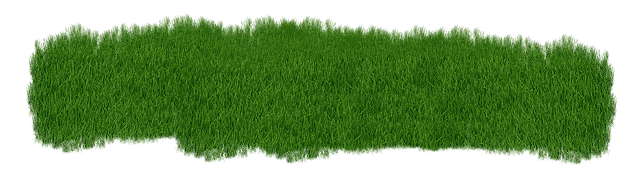
Unlike natural grass, installing artificial turf offers numerous advantages. It is highly durable, resistant to heavy foot traffic, and adapts to all types of surfaces. There is no longer a need for lawn mowing, allowing you to save both time and money. Furthermore, artificial grass does not require watering, and installing synthetic turf serves as an eco-friendly solution.
It is therefore not only an aesthetic, comfortable, and cost-effective choice, but it also addresses environmental concerns. Synthetic turf eliminates the need for other chemical products to combat diseases.
Artificial turf is a maintenance-free product. There is no longer a need to weed, fertilize, or aerate your lawn. Synthetic grass does not turn yellow, is highly durable, and is not susceptible to pest-related diseases. Your garden remains green all year round. However, be sure to select a high-quality lawn.
Synthetic turf is highly weather-resistant. Whether facing rain, sun, or snow, it remains impeccable. Maintenance is also straightforward; all that is required is a simple tool such as a power broom. You can also use soapy water or a pressure washer.
Artificial grass is suitable for all soil types and is highly resistant to heavy foot traffic and fiber pulling. The blades are designed for long-lasting durability, making it an ideal product for families and children.
Everyone wants a perfectly manicured lawn that remains lush and vibrant. Synthetic grass is highly resistant to heavy wear, climate fluctuations, and drought. It is unaffected by weeds, harsh weather, or UV rays, maintaining its green appearance regardless of the conditions. Artificial turf serves as a cost-effective investment, offering the opportunity to save on water (no irrigation required), electricity, and time. However, a quick sweep is still advisable to periodically clear away fallen leaves.
The artificial turf does not turn into a muddy field due to rainwater. Drainage is facilitated by both the material and the installation method. Children and pets will not get as dirty playing on it as they would on natural grass.
Various artificial turf models bear a striking resemblance to natural lawns, both visually and to the touch. They rigorously mimic colors and textures, making it difficult to distinguish between artificial and natural grass when viewed from a distance.
In many cases, growing real grass can be complex, such as if you live on an upper floor of a building. Installing sod is a simpler alternative. Additionally, some terrains are not particularly conducive to a lush lawn; in such instances, installing synthetic turf is a more practical option. It serves as an efficient way to save both time and energy, provided that the installation techniques are followed meticulously.