Previous Story

How to choose the right smart home hub?
Posted On 18 Jan 2019
Comment: 0
Nowadays, having a smart home has become a necessity. Indeed, it helps simplify our lives and enhances home security. As a result, many players have entered the market to manufacture smart home hubs. For a novice, making the right choice can be quite difficult. We are providing you with expert advice on how to select the best smart home hub for your house.
Identifying your needs
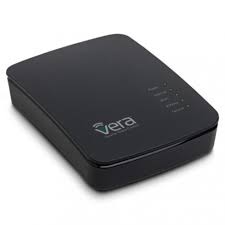 Making your life simpler and enhancing home security: that is the very definition of a smart home hub. Various models of smart home hubs are currently available on the market. While their primary mission is always to effectively manage a connected home, they do not all cater to the same requirements. This is why it is highly recommended to assess your specific needs before making any purchase. Are you looking for a smart home hub to manage your garden irrigation? Are you seeking a hub to control your home lighting? Or do you want a smart home hub to enhance your home security? Once you have identified your needs and established your specific requirements, choosing the ideal smart home hub for your house will be a straightforward process.
Choosing a Scalable Subscription Box
When purchasing a smart home hub, you should not limit yourself to equipment that is only useful for the present moment. The ideal approach is to choose an expandable hub. The advantage of this type of device is its ability to adapt to your future needs, ensuring you won’t need to invest in an entirely new home automation system to manage every aspect of your household.
Choosing the Protocol
Selecting the right protocol is one of the most critical factors in ensuring a high-performance smart home hub. With so many options available, navigating the multitude of protocols can be quite challenging. For instance, you might opt for a wired protocol; the primary advantages of this approach are ease of installation and high reliability. Alternatively, you could choose proprietary protocols. However, these require peripherals from the same brand to work with your hub, which is the exact opposite of open protocols. With open protocols, you have the flexibility to connect devices from various manufacturers, granting you much greater freedom in managing your smart home ecosystem.