
Previous Story
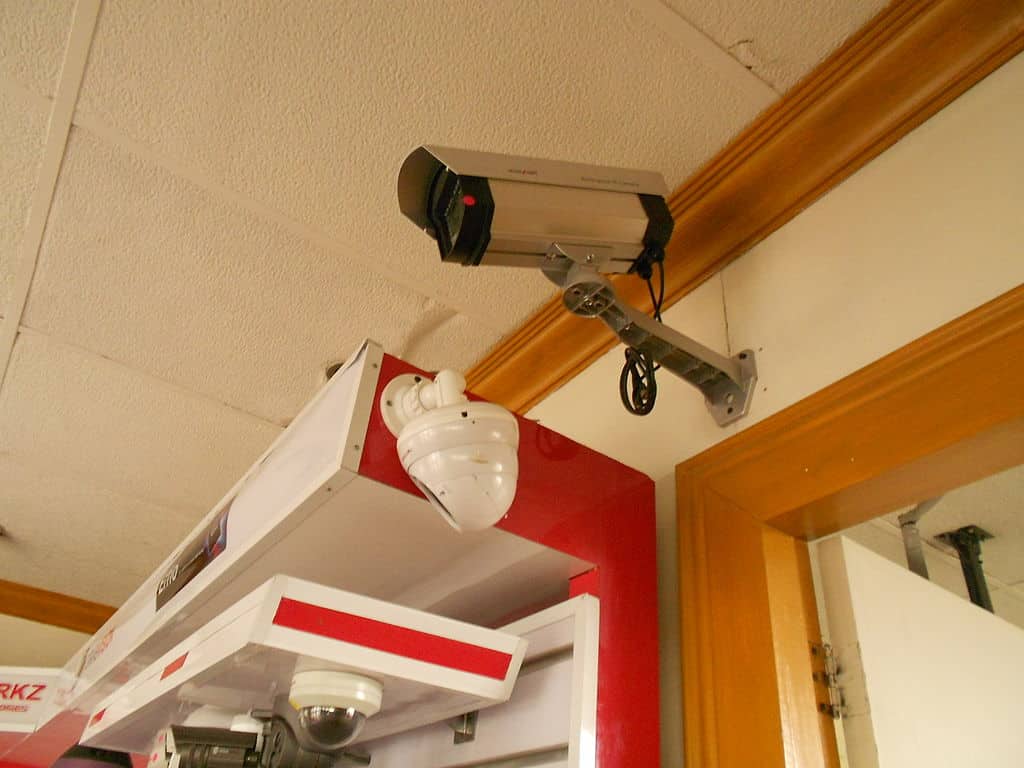
Is video surveillance effective in a corporate setting?
Posted On 09 Jul 2017
Comment: 0
Nowadays, many companies are installing video surveillance systems within their premises. It must be noted that these types of systems offer numerous advantages, as recorded footage can be viewed on-site, from a remote location, or easily archived. The issue arises from the fact that companies tend to use such surveillance to spy on their employees, and the legal precedents in this area are extensive, emphasizing that video surveillance may only be used in compliance with extremely strict laws governing this field. In fact, in several recent cases, companies have been sanctioned by the Commission nationale de l’informatique et des libertés for placing cameras in inappropriate locations, such as restrooms or employee locker rooms.
Specific cases justifying the use of video surveillance in a company
A principle of proportionality must be applied when a company decides to install a video surveillance system. Indeed, the company must justify the necessity of such an installation, which may be implemented to ensure the security of the premises and personnel, or to prevent vandalism and assault. However, this installation must be proportionate to the interests it intends to protect and must not turn into a full-scale employee spying station. For instance, it is impossible to install a camera that would film an employee throughout their entire workday; conversely, it is permissible to position a camera above a cash register or in all sensitive areas (handling cash, hazardous products, etc.).
The legal framework governing the implementation of video surveillance
The regulations surrounding the use of video surveillance in the workplace are extensive, and the CNIL maintains strict oversight regarding compliance. Fines can be substantial, and company executives may face criminal liability for recording individuals without their consent in private areas. The Law of January 6, 1978, on Information Technology and Civil Liberties, provides the regulatory framework for legally video surveillance, much like Article L2323-32 of the Labor Code, which mandates specific disclosure obligations. Recorded footage may only be accessed by previously designated personnel, and such images may not be retained for more than one month.
The company faces a dual reporting obligation
This legal framework directly results in a dual obligation of disclosure for the company. First, any CEO wishing to install a video surveillance system must inform employee representatives and the works council, as stipulated by Articles L2323-32 and L432-1 of the Labor Code. Second, it is also essential to notify the public of the existence of the video surveillance; this must be done via a sign located at the company entrance, which must state the reasons for its use, the procedures for accessing and rectifying footage of filmed individuals, and information regarding the person responsible for managing and accessing the video surveillance platform.