
Previous Story
Automobile : la Thaïlande, le grand atelier de l’Asie du Sud-Est
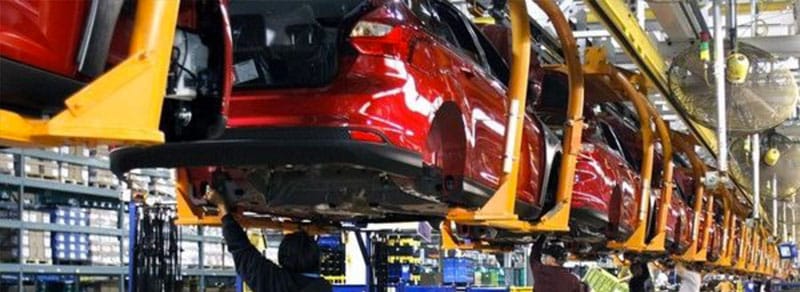
Dans une usine dernier cri de Thaïlande, pays où la production automobile connaît la plus forte croissance au monde, robots et techniciens en combinaison immaculée font les derniers réglages des centaines de voitures qui sortent de ces lignes de production chaque jour.
On pourrait se croire dans un atelier Ford de Detroit ou dans la ville-usine de Toyota-City au Japon. Mais cette usine du Japonais Honda est bien en Thaïlande, dont le nom évoque d’habitude les plages paradisiaques et la cuisine pimentée.

Car, dans un contexte global de crise touchant les principaux fabricants automobiles, la Thaïlande s’est imposée comme une rare exception ces dernières années, au point de devenir la première plateforme de montage automobile de toute l’Asie du Sud-Est.
Son secteur automobile est l’un des dix plus importants au monde, devant la France. Sa production automobile a bondi de 70% en 2012 par rapport à l’année précédente, jusqu’à atteindre 2,48 millions de véhicules produits, selon l’Organisation internationale des constructeurs automobiles, basée à Paris.
En comparaison, la Chine et l’Inde n’ont connu que des croissances à un chiffre sur la même période.

Et malgré la crise, la Thaïlande vient de connaître ses meilleures ventes durant les six premiers mois de cette année.
La Thaïlande, usine des constructeurs japonais
Les fabricants japonais, qui ont délocalisé ici une partie de leur production, mais aussi le géant américain Ford, sont pour beaucoup dans cette croissance.
Le marché domestique joue un rôle important dans cette croissance, tirée par le fait que le gouvernement accorde une subvention à chaque foyer pour acheter sa première voiture.
Et des centaines de millions de dollars ont été investis par la Thaïlande dans de nouvelles usines, afin de soutenir un secteur qui échappe pour l’heure aux signes d’essoufflement d’autres branches de l’économie.
« Les nuages et les problèmes peuvent apparaître, mais dans l’ensemble, l’industrie automobile est tirée par les consommateurs. Les consommateurs équipés de deux roues veulent des voitures, et je ne pense pas que ce désir cesse », analyse Uli Kaiser, du groupe Automotive Focus.
Alors que la bataille pour le contrôle du marché s’intensifie, les grands constructeurs automobiles, notamment japonais, investissent eux aussi dans de nouvelles usines, visant à la fois le marché intérieur thaïlandais et l’Asie du Sud-Est.
Le constructeur japonais Honda ambitionne de produire quelque 420.000 véhicules par an en Thaïlande à l’horizon 2015, avec l’ouverture d’une nouvelle usine dans la banlieue de Bangkok, qui a représenté un investissement de 644 millions de dollars.
L’euphorie actuelle est une revanche sur l’année noire de 2011, quand de graves inondations en Thaïlande avaient forcé de nombreuses entreprises, dont Honda, à fermer temporairement.
« Pendant les inondations, nous avons dû fermer l’usine pendant six mois et repousser tous nos projets », se souvient Pitak Pruittisarikorn, vice-président de Honda-Thaïlande.
Mais « la Thaïlande est aujourd’hui la plus grosse base de production de Honda dans la région », insiste-t-il.
Le mois dernier, son rival Toyota a commencé à produire dans sa toute nouvelle usine d’assemblage à 340 millions de dollars. Le constructeur en est à sa cinquième usine en Thaïlande, où il a vendu plus de 500.000 véhicules l’an dernier. Toyota vise même les 770.000 véhicules produits par an en Thaïlande, de la voiture au minibus.
Le groupe, dont les pick-ups sont omniprésents sur les routes thaïlandaises, n’envisage pas de céder la première place sur le podium.
« Nous avons pleinement confiance dans le fait que nous pouvons développer notre industrie ici en Thaïlande, avec de nombreux clients. Nous pouvons conserver entre 35 à 40% du marché ici en Thaïlande », explique Kyoichi Tanada, président de Toyota Thaïlande.
La Thaïlande pourrait cependant avoir connu son « année bénie » en 2012, alors que les ventes ont commencé à reculer, après un premier semestre 2013 encore très bon.
Mais les analystes prédisent encore un bel avenir à l’industrie automobile thaïlandaise, tablant sur une hausse annuelle de 10% les prochaines années.
Pour le plus grand bonheur des constructeurs, et le désespoir des piétons de Bangkok, dont les rues sont chaque jour un peu plus embouteillées par les nouveaux propriétaires de quatre-roues.